Family law firms manage cases that can change quickly, involve extensive documentation, and require consistent client communication. From divorce and child custody matters to support disputes and property division, attorneys need a reliable way to keep every case organized and every client informed.
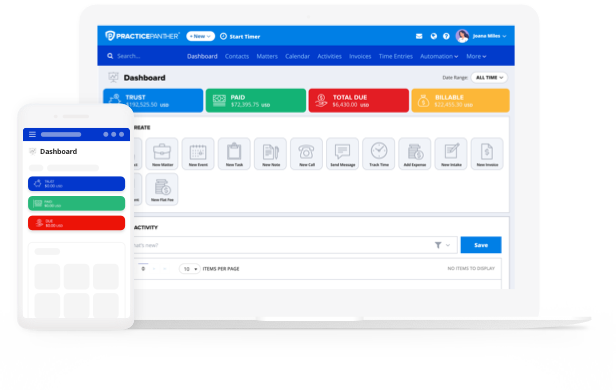
The right family law software brings case information, documents, deadlines, communications, billing, payments, and client intake together in one place. Instead of managing information across disconnected systems, family lawyers can use family law case management software to standardize workflows, reduce administrative work, and spend more time with clients.
The best family law firm software should support the entire client lifecycle, from intake through case resolution, while giving attorneys the flexibility to manage the financial and administrative demands of a busy practice. Here are the features and evaluation criteria family law firms should prioritize when purchasing new software.
What is Family Law Software?
Family law software is legal practice management software designed to help attorneys and their teams manage the cases, clients, documents, deadlines, communications, billing, and administrative workflows involved in family law. Family law legal software typically centralizes information that might otherwise be spread across email, spreadsheets, calendars, document folders, billing systems, and other applications. A centralized system makes it easier to find case information, communicate with clients, monitor important dates, and keep matters moving forward.
Most Important Features of Software for Family Law
The best family law case management software brings these features together so attorneys and staff can manage more of their daily work in one place.
Case and Matter Management
Every case should have a centralized home for contacts, documents, notes, tasks, deadlines, communications, and financial information. This makes it easier for attorneys and staff to find what they need without searching through multiple systems.
Document Automation
Document automation can reduce repetitive data entry and accelerate the preparation of common family law documents. Look for templates that can automatically populate information from the corresponding client and matter.
Client Portals
A secure client portal gives clients a convenient place to access documents, invoices, messages, tasks, and financial information. For family law firms, this can reduce back-and-forth communication while improving transparency.
Client Intake and CRM
The client relationship begins before a case is opened. Client intake software for family law should make it easy to collect information, organize prospective clients, schedule consultations, and move qualified leads into the next stage. CRM software for family law should also allow firms to maintain organized contact records and important client information throughout the relationship.
Calendaring and Deadline Management
Missing a court deadline can have serious consequences. Family law firm software should provide centralized calendaring, reminders, tasks, and workflows that help attorneys and staff stay ahead of important dates.
Time Tracking and Billing
Family law firms need accurate records of billable work. Time tracking should be easy to use across calls, meetings, document preparation, correspondence, and other activities. Billing should then turn those records into clear, professional invoices.
Trust Accounting and Payments
Retainers and trust funds require careful management. Look for software that provides visibility into trust balances and transactions while supporting compliant financial workflows. Online payment capabilities can also make it easier for clients to pay invoices and replenish retainers.
Secure Communication
Family law matters often involve highly sensitive personal and financial information. Build secure messaging, document sharing, and client communication into the firm’s case workflow rather than scattering them across email and other communication channels.
How to Choose the Right Family Law Practice Software
Start by identifying the problems your firm needs the software to solve. If attorneys lose time searching for documents, prioritize document management and automation. If clients frequently call for billing updates, prioritize a client portal with financial visibility. If staff spend hours entering the same information into multiple systems, look for automation and centralized client data.
Then evaluate each solution against these questions:
- Does it support the way your firm practices family law? Look for workflows that can accommodate divorce, custody, child support, modifications, and other matters your firm handles.
Can it manage the entire client lifecycle? Ideally, your software should support intake, matter management, communication, billing, payments, and ongoing client relationships. - Will clients have better visibility? A strong client experience is especially important in family law. Evaluate whether clients can securely access documents, messages, invoices, account information, and tasks.
- Can it reduce repetitive work? Document templates, automated workflows, reminders, intake forms, and billing automation can all reduce administrative effort.
Does it scale with your firm? Your needs may change as your caseload and team grow. Choose a platform that can support additional users, matters, workflows, and reporting without forcing you to rebuild your processes. - Can your team easily use it? The most comprehensive software is not useful if attorneys and staff struggle to adopt it. Request a demo and test the workflows your firm uses every day.
Is PracticePanther’s law software built specifically for a family law practice?
Yes. PracticePanther is designed to help family law firms manage the legal, administrative, financial, and client-facing sides of their practice from one platform.
Whether you’re managing a divorce, custody dispute, support matter, or another family law case, PracticePanther gives your firm a centralized place to manage contacts and matters, automate documents, track time, create invoices, communicate securely, manage client accounts, and stay organized.
For family law attorneys, the value goes beyond organizing case files. PracticePanther helps create a more transparent client experience by giving clients secure access to their case information and financial activity. It also reduces repetitive work through document templates, workflows, intake forms, calendaring, and automated billing.
That combination makes PracticePanther a strong choice for family law firms looking for family law firm software that supports your full practice, not just one part of it. Ready to see how PracticePanther can fit into your family law practice?
Schedule a demo to see the platform in action and explore workflows based on your firm’s needs.
Or start your 7-day free trial with no credit card required and experience PracticePanther for yourself.