It’s Tuesday at 2:00 p.m. You’re neck-deep in research for one client, prepping a filing for another, and fielding a last-minute call from a third. The clock ticks forward, and suddenly you’re wondering: who just got billed for that hour?
If that question makes your stomach flip a little, you’re not alone.
Double-billing is one of those topics lawyers can’t afford to ignore. It’s often unintentional and even more frequently easy to justify. And if it becomes a habit, it can quietly erode everything you’ve built.
We’ll explore what double-billing looks like in practice, why it’s risky, and how legal billing software helps you avoid it altogether. With the right legal office billing software, you can say goodbye to the uncertainty.
What Is Double Billing in Law?
Double-billing happens when an attorney charges two or more clients for the same task or period of time. The most common scenario involves hourly billing. For example, say you bill Client A for two hours spent traveling to their office and Client B for the work you did on the train while en route. Only two hours passed, but you’ve billed for four.
Unethical billing practices by attorneys aren’t always intentional or malicious. For example, if a lawyer forgets to close a timer, duplicates an entry, or records overlapping work for related clients, those errors can result in double-billing. But even accidental overbilling can harm client trust and create serious ethical concerns.
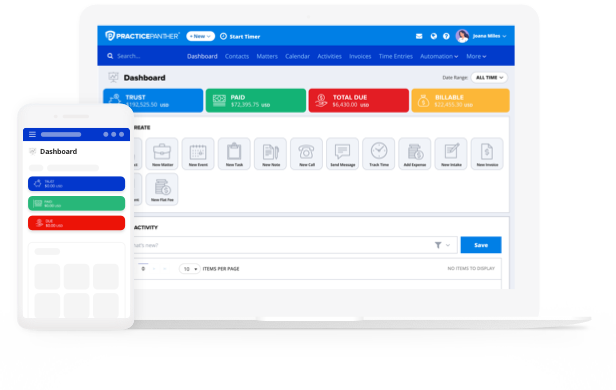
That’s why firms are turning to automated time tracking and billing systems like PracticePanther to avoid these risks. By linking time entries directly to matters, syncing calendars, and preventing duplicate entries, legal billing software helps keep records clean and transparent without relying on memory or manual spreadsheets.
Is Double-Billing Illegal?
In most cases, double-billing is considered unethical, and depending on the intent, it can cross into illegal territory. The American Bar Association’s Model Rule 1.5 requires that attorney fees be “reasonable.” Billing two clients for the same hour of work generally isn’t.
While there may not be explicit double-billing laws, ethics committees and state bars have been clear: if you charge multiple clients for the same block of time without their informed consent, you’re at risk of violating professional conduct rules and possibly committing fraud. Hidden double-billing can result in disciplinary action, fee disputes, and reputation damage.
The simplest safeguard is structure. A clear billing policy, supported by accurate timekeeping measures, makes it nearly impossible to double-bill intentionally or by accident.

Why Double-Billing Happens at Law Firms
Double-billing often stems from outdated systems, unclear expectations, or the sheer pace of legal work. When attorneys juggle many different clients and tasks without strong billing practices in place, it’s easy for time entries to overlap or get duplicated.
Some of the most common reasons double-billing occurs are:
- Manual time tracking: Relying on memory or post-factum entries can lead to inflated or overlapping logs.
- Pressure to meet billable hour targets: When compensation is tied to hours, the incentive to stretch time (even slightly!) can creep in.
- Lack of standard billing policies: Without a firm-wide approach to timekeeping, different attorneys may bill similar tasks in inconsistent (and sometimes conflicting) ways.
- Poor visibility across matters: In larger firms, multiple attorneys working on related matters may unknowingly bill for the same task.
- Insufficient software controls: If your billing platform doesn’t flag duplicate entries or enforce rules, honest mistakes can slip through.
Legal billing software like PracticePanther helps close those gaps by tracking time in real time, tying entries directly to matters, and flagging conflicts before invoices go out.
Double-Billing Scenarios
Double-billing can be outright fraud, but often boils down to how work is logged or interpreted. Here are a few common scenarios where double-billing issues can arise:
Billing Two Clients for the Same Hour: An attorney drafts a motion for Client A from 9:00–10:00 a.m., then bills the same time block to Client B for reviewing contracts. If only one task occurred, only one client should be billed.
Travel Time Billed Twice: An attorney travels for a deposition involving Client A but uses the time to review case files for Client B. Billing both clients for that hour may be considered double billing unless the work for Client B can be clearly documented and separated.
Using the Same Research Across Cases: You research a legal issue relevant to two cases and apply the same findings to both. While it may feel efficient to bill both clients, it’s ethically risky to charge them both the full time unless it’s disclosed and agreed upon.
Accidental Timer Overlaps: An attorney leaves one timer running while starting another matter. When both time entries are billed without adjustment, it results in unintentional double-billing.
Copy/Paste Time Entries: Reusing time descriptions or blocks for similar tasks across multiple clients can create confusion or outright duplication if not carefully reviewed.
Clear billing guidelines and tech safeguards can prevent these scenarios from turning into ethics complaints.

How Does Double Billing Impact Client Relationships?
Trust is the currency of every attorney-client relationship, and that trust erodes quickly when questionable billing occurs.
Even when it’s unintentional, double-billing can trigger client doubt. A vague or duplicated time entry might seem minor to you, but to a client reviewing an invoice line-by-line, it raises concerns. Was the time actually spent? Are they being overcharged? Is this how your firm operates?
Over time, repeated billing inconsistencies can lead to disputes and delayed payments, which eventually cost you clients. Transparency and accuracy in billing are important relationship safeguards.
PracticePanther is designed to prevent the kinds of invoicing missteps that damage client relationships. Our built-in time tracking and billing reporting tie each entry directly to a specific matter, making it easy to see what was done, for whom, and when. By removing the guesswork from time entry and linking every billable hour to a documented task, attorneys can deliver invoices that are clear and justifiable.
With PracticePanther’s secure client portal, your clients can access their invoices, payments, and communication history at any time. That kind of openness builds confidence. It also reduces back-and-forth questions about charges, because everything is laid out in real time. And if a billing issue does arise, having centralized records and timestamped activity makes it easier to investigate and resolve it professionally.
Billing accuracy shows clients you value their trust and have the systems in place to protect it.
Avoid Unethical Billing Practices as Attorneys with PracticePanther
Accurate, ethical billing starts with having the right systems in place. PracticePanther helps law firms stay compliant and consistent by tying every time entry to a specific matter and offering clear, customizable invoices clients can trust.
Real-time time tracking and detailed reporting reduce billing errors and protect your reputation without adding more work to your plate. Start your free trial today or scroll down to schedule a personalized demo to see how PracticePanther gives you the ability to bill ethically and efficiently.